SESTA

"Hi, my name is _____ and I live in ____ (state). I'm calling to urge Senator _____ to vote NO on SESTA, Senate Bill 1693 because it infringes on the online free speech and community harm reduction practices. SESTA does not protect trafficking survivors- it only further criminalizes them and sex workers. I strongly encourage the Senator to vote no on this extremely important bill next Monday. Thank you."

Call your Senators and ask them to vote no on SESTA this coming Monday

There’s an interesting shift in power happening right now in the United States and elsewhere in the world. I’m sure you’ve noticed it. Prompted by men who finally pushed misogyny and patriarchal abuse too far, snapping the proverbial bra strap of woman-and-queerkind for the last time. If you want to blame someone for #MeToo’s popularity, or loud and demanding feminists making things impossibly hard for cis heterosexual white men, men, anti-feminists, misogynists, or anyone and everyone who doesn’t feel like rising to the times and pitching in to create a more equal and fair world, blame Harvey Weinstein, Brock Turner, red pill cronies, SWERFs, TERFs, white nationalists, and anyone acting on or uttering disrespectful rhetoric about another person’s bodily autonomy in hopes of dominating, objectifying, or subjugating a population so that they can feel superior.

We’re done with it.

Unfortunately we’re long from being untangled from the histories and experiences we’ve endured as minority people, and people who have been sexually harassed, coerced, or assaulted. We’re long from meaningful representation mirrored in society’s hierarchy, reflecting percentages of our actual population sizes in the numbers at the top of our ranks in public and private sectors. It will take a lot to balance what has been unbalanced for so long, and many people who are accustomed to power being a default part of their everyday experience, readily available and unchecked, are not interested in facing discomfort or learning to ride the tide of recalibration to a more equal nation.

Earlier this week I wrote about FOSTA, and today I encourage you to call your Senators to vote no on SESTA which is up for vote on Monday. I have, and it took about three minutes to leave messages for them both. SESTA is a similar bill to FOSTA and plays even worse and less thoughtfully than the House’s plan. Superficial stabs at morality through victimization of consenting adults is not helpful in the battle for sexual autonomy, free speech, or the quest to end misogyny. It puts no sex traffickers behind bars to drive them further underground. SESTA will do more harm than good, and this bill still affects the general public’s right to free speech, silences victims, and puts consenting sex workers in more danger as their platforms for safer negotiation disappear. SESTA is hoping to indict internet companies, including person to person platforms who “knowingly assist, support, or facilitate sex trafficking.”.

It is time to decriminalize consensual sex work. Our justice system needs to take seriously the already criminal status of rape, sexual coercion, sexual abuse, and sex trafficking. It is time to go after actual abusers rather than terrorize and threaten workers who may or may not already be victims of abuse. Make the sex workplace safer by supporting what sex workers themselves say they want and need. There’s a great article here which does a good job talking about these things from the perspective of a former sex worker who was able to find help on the internet to move away from that work — don’t just take it from me. If you find yourself wondering what trafficking survivors and trafficking victim advocates have to say about FOSTA and SESTA, this is a really well laid out article which explains a lot of the inner workings of these issues too.

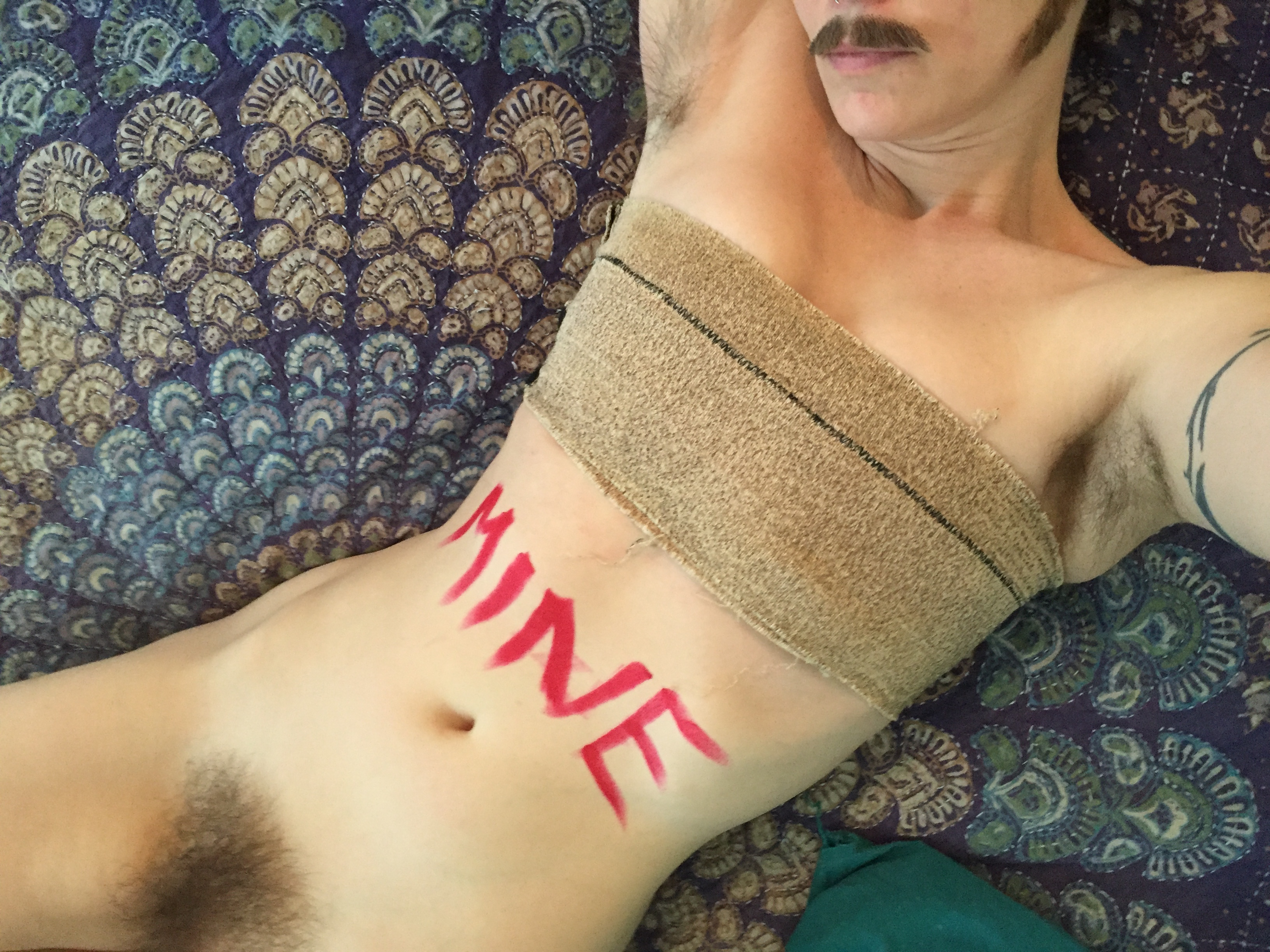
CALL YOUR SENATORS TODAY: Put an end to SESTA, which is up for vote on Monday. The photo above is a great script for you to use when you do call. Thank you.

Play On My Friends,
~ Creature

Please support my work on Patreon. For one time donations click here: Support the Artist 
~Thank you.
Freedom

The bill, H.R. 1865, otherwise known as the “Allow States and Victims to Fight Online Sex Trafficking Act”, or “FOSTA”,  passed the House last week even though it’s been deemed unconstitutional by the Department of Justice. This bill doesn’t do what it portends to, which is make it legal for prosecutors to go after internet companies who allow sex trafficking to be advertised on their websites. It’s already legal to prosecute sex trafficking and those who aid it. The current interest in FOSTA by our government officials is as a tool to indict Backpage on trafficking charges for allowing traffickers to advertise on their online service. This bill does a number of other things though, including threaten free speech on the internet, make it harder for smaller companies to grow and thrive, deny consensually working sex workers the safety of an open platform to find, vet, and negotiate with clients, and sends actual sex traffickers deeper into the underground where it will be harder for law enforcement to find them, much less prosecute.

By making internet companies liable for all content posted using their services (in a way which still makes it easy for large companies to deny knowing anything, and leaves smaller companies with limited resources high and dry), it forces internet companies to police consumers. This limits everyone’s freedom of speech and freedom of expression on the internet in the long run. Sex workers, sex trafficking survivors, free speech advocates, internet companies, even the Department of Justice, and a host of other groups have spoken out against this bill. Politicians are, as usual, happy to pass a badly written and poorly researched bill which looks good to uneducated constituents, all the while putting at risk the general public and harming sex workers who are disproportionately women, transpeople, frequently POC, and Queer. Surprised much?

A word on conflation: Do you know the difference between sex work and sex trafficking? An important thing to understand in our modern debate over freedom of one’s own body, is that there is a difference between sex trafficking and consensual commercial sex work. Sex trafficking is coerced sex work. Not all sex workers are coerced into their jobs. Many sex workers are happy with their chosen vocation.

Loosely defined a sex worker is a person employed by the sex industry. The sex industry is vast and includes strippers, professional dominants/submissives/switches, prostitutes, adult entertainment actors/producers/crew members/management, phone sex operators, web cam performers, sex surrogates, sexologists, and a host of other occupations. As you can see not all sex workers trade sexual contact for money. People who choose sex work come from and have a variety of backgrounds, fields of interest, levels of education, ethnicities, genders and sexes, relationship statuses, body types, and have varied personal and professional boundaries regarding what activities they will and will not engage in for pay. Every sex worker I know decides who they will take on as a client or employer, and what activities they are comfortable engaging in, with whom, under what circumstances, and when. Like any other industry there are even sex worker unions in some areas of the country which help SWs advocate for their needs on the job and help ensure their safety to a higher degree. Some people engage in sex work infrequently, informally, or for a short period of time in order to make ends meet (also known as “survival sex work”), and some sex workers view their job as a full time, long term occupation.

Sex trafficking (forced sex work, or sex slavery), is the term used to describe anyone who is forced to engage in sex work against their will, or who is coerced into it against their choice.

When law enforcement or the media talk about sex trafficking, they often conflate the issue with consensual sex work. They often go after, traumatize, and harm people who are making a living consensually and as safely as they are able to negotiating with clients in order to pay the bills.

Why does it matter that we make a distinction between sex workers and sex traffickers? The most immediate reason I can think of is safety. The safety of sex workers when consensually vetting, negotiating with, or working with a client is threatened when there is no discernment between what they are doing and what a victim of sex trafficking is being forced into doing. As sex workers are forced further and further underground under the guise of (due to a conflation with) “stop sex trafficking” measures, SWs lose access to a level of safety and protection which open air conversations provide. When everyone’s freedom of speech is restricted concerning sex work, and the places sex workers can be found are more and more remote or coded, a SW’s ability to reasonably vet clients, stand up to bosses who they feel are coercing them, report abuse/assault/rape, demand condom use, have access to meaningful healthcare, or any number of other wrongdoings becomes increasingly difficult to bring to light without the fear of retribution, being ignored, blamed, abused, or worse.

In study after study it has been shown that when sex work is decriminalized, STI rates drop as do rates of rape and domestic abuse in the general population. Decriminalization of consensual commercial sex work is not the same as decriminalization of sex trafficking. Everyone is better served by making these distinctions and going after the real bad guys. Bad guys who are frequently not women, trans people, queers, and POC (just sayin’). We need to demand more from our elected officials.

Play On My Friends,
~ Creature

Please support my work on Patreon. For one time donations click here: Support the Artist 
~Thank you.

Dear Creature: Rough Stuff

Dear Creature,
I always wanted to know what I could take. A fist to the face, stomped, kicked, whipped, held under water… Up to the person doing the beating. Maybe breaking an arm or a leg. But definitely a few fingers. 
~In Eyes

In Eyes,

It’s common to wonder how much your body can take, and to fantasize about what it might be like finding the limits of what you can endure. I don’t know exactly what question you’re asking, but since this is a sentiment that a lot of people think about, and I write about BDSM, I’ll address what I hear in your statement and what ideas it brings up for me in that vein. I hope my response helps give you language to articulate your desires and find the right people to share explorations with in a risk-aware and consensual fashion. I hope that my writing aids you in wading through your impulses to sort out what you’d like to learn more about vs. those things you might not be ready for or might not actually want to experience. Since I don’t know your history or experience with BDSM or anything about your physical/emotional/mental state, I’ll write as if you were relatively new to the world of kink and are questioning what’s possible.

The first idea I want to explore is the importance of knowing the difference between reality and fantasy when approaching a scene. The things we don’t know about firsthand are a playground for the imagination, and various ideas that play well in our heads (especially in an aroused state) are not always things we actually desire to seek out or experience when we’re sensually sober or not turned on. It can be difficult to know which ideas are good ones to seek out and which ones should be relegated to the world of fantasy. Once you’ve spent some time articulating your intrigues to yourself, some questions you might want to answer are:

  • Why do I want to scene in this manner, and what do I hope to accomplish by having an experience like this? Knowing the answer to these questions may help you narrow in on what you actually want rather than a general idea for play. For example: I imagine being whipped. I wonder what that would be like, and decide I want to try bottoming for a whip Top. If I look at my motives more closely I might decide I just want to feel a whip on my skin and see what it’s like on a pain scale, or see how much of a whipping I can take. In this case I would negotiate a whipping scene with a fair amount of warm-up and with someone willing to start off slowly and build, paying attention to my need for rests, etc. On the other hand, perhaps I have a particular roleplay in mind whenever I think about being whipped, and I realize that I don’t want my skin torn or to scar from my whipping scene, instead I want to be bossed around by a “mean Governess” and have her whip me lightly over my clothes in playful punishment, which then quickly becomes a toy for teasing me and wrapping me up in it, to then be tied and groped… As you can see these are two very different scenarios, yet they’re both “whipping scenes”. Not everyone will share an interest in both scenarios, and not everyone will have the skills to engage specifically in what you’re looking for either.
  • What do I think I can endure, and what are my limits in the scenario I am pursuing? Answering this question will help you inject a bit of grounded reality into your search. It will also help you negotiate responsibly once you find a partner willing to play. Depending on the day, your current emotions, physical state, etc., you may not always answer this question the same way, but answering it even once will give you an idea about what you’re really interested in vs. what you’re less excited about, or simply will not tolerate. This is an important question to think about, articulate as well as you’re able to, and negotiate clearly to be a responsible BDSM partner. BDSM is not about violating people’s actual boundaries — even if we want it to feel that way sometimes. It’s just as important for a Top or D-type to trust their bottom or s-type as it is the other way around. This means the bottom/s-type needs to realistically know their boundaries, be willing to communicate them prior to sceneing, and be willing to speak up within scene if something needs to be addressed.
  • What are the consequences for playing in the manner I desire, and am I as excited about the potential healing process as I am the scene itself? BDSM can take a toll on our bodies, especially rough body play, impact play, and the use of sharp objects, to mention a few. Consequences from scening can include bruising, broken bones, torn/pierced/cut flesh, bleeding internally or externally, throwing up, becoming ill, STI transmission, bloodborne pathogen transmission, UTIs, physical exhaustion, nerve damage, emotional triggers, mental instability… the list goes on. Some of these consequences are dealt with simply and quickly, some take months or years to repair, and some never heal, leave their mark permanently, or create complications. Not playing safely, ignorance of the potential dangers of various activities, not communicating clearly, and not realizing something was wrong until it was too late are all occasions which have led to the death of BDSM practitioners. That’s something to consider and not take lightly. It’s useful to think about potential consequences: if being punched could break a bone, ask yourself if you are willing to deal with being in pain for the duration of the healing process or any other problems which result from that injury. Ask yourself if you want to deal with hospital bills, medication, loss of work, a few months of pain, and potential complications from one afternoon of experimentation.

There are two phrases people throw around in the BDSM community concerning styles of play: SSC and RACK. SSC stands for “Safe, Sane, and Consensual play”. This means approaching play with a solid understanding of the skills needed to “safely” do what’s been negotiated, to play “sanely”, meaning with regard for consequence and a realistic negotiation of ethics, and “consensually” meaning all that happens in play has been negotiated beforehand and agreed to by all parties. RACK stands for “Risk Aware Consensual Kink”. Consent is still a prime objective, and “risk-aware” points to approaching play with as much knowledge as possible about what is inherently risky about the scene, including what skill level is needed in order to mitigate unintended damage, awareness of the emotional/mental/physical health of the participants, what supplies should be on hand if something goes wrong, etc.

Many of the older BDSM players I know prefer the term RACK, myself included. SSC sounds nice, yet seems to promote a more innocent understanding of how to enter into a scene. I would rather play armed with the idea that I am “aware of risks” and have planned to address them as much as I know how to, than go in thinking I am “playing safe” and so am not at risk for unintended consequences. Though the ideas are generally similar, “Risk Aware” seems a more honest concept to me, and reminds me not to assume I know everything. It speaks to the amount of preparation and ongoing thoughtfulness and awareness I should expect to engage in when I scene.

  • Am I willing to take responsibility for putting myself in a situation where I may be harmed, experience intense pain, or suffer for a longer period than I imagined I would as a result of engaging in this sort of activity? The more you know about what you do and do not want to experience, the easier it is to get on the same page and negotiate something which feels great to everyone involved. If you are not willing to take responsibility for your actions, your asks, or to negotiate clearly about your boundaries with a scene partner you are not ready to play. If you are not ready to share the responsibility when accidents happen you should not play with others. If you are unwilling to speak up to end a scene when you need to, you are putting something which is your responsibility to address on someone else’s shoulders. This is not a statement about taking responsibility for predatory behaviors which violate negotiated boundaries, assault, rape, manipulation, or misuse. Those things are separate from being in a consensual scene which goes south for some reason, has an honest accident occur, or realizing halfway into it that what you thought you would enjoy is not something you want to continue to explore. In those latter instances you must be prepared to share in the responsibility of ending the scene and working with your partner to take care of any consequences resulting.
  • Am I capable of stopping a scene once it has begun (red-ing or safe-wording out) if I feel overwhelmed or change my mind about what I want? Continuing from the last question, it is very important that you are able to stop a thing when it feels too much. It is the responsibility of the Top/D-type to check-in and ask if everything is going alright, however no one can be expected to read your mind. Without clearly articulating what you need during a scene you cannot expect someone else to “just know” that you’re not into it anymore. If you are unable or unwilling to say “safeword/red/stop/mercy/slow down” or signal a scene to end in some way, you’re not a safe play partner and shouldn’t enter into play with someone who hasn’t consented to play with a person unwilling or unable to do these things.

A basic difference between abuse and BDSM lies in the ideals of consent and negotiation, as well as in taking responsibility for one’s actions. These values lead responsible Tops, Dominants, switches, subs, and bottoms to do their research about how to give and receive stimulation as safely, knowledgeably, and as ethically as they are capable of. In the BDSM community you’ll find people who play at all levels of intensity, and who have a vast array of skills. Skills in one area do not equal skills in another, and someone who has been in the scene for a very long time may or may not have the specific skills you’re looking for. Even experienced players continue to learn new tricks, take classes to improve skills they already have, and expand their knowledge about what can be done and how to do those things more safely. Some kinky activities may seem very easy and mainstream and other types of popular play many people set as hard limits without a second thought. The world of BDSM is a creative one, an inquisitive and experimental one, and one which thrives off of knowledge, practice, and growth.

If you’re interested in engaging in a scene that could end up breaking a bone, I recommend you approach someone who is studied at and skilled in rough body play. It will probably take time to find a Top or Dominant who would be willing to go that far with you. Trust works from both sides of play. The person Topping a scene which could potentially break a bone must trust that the person who is bottoming is actually consenting to that degree of stimulation, that they can handle the healing process and all it entails, and that they clearly understand and consent to potential long term consequences and complications. You will probably play with someone a number of times before you build that type of trust between you — if you find someone emotionally, mentally, and physically up for breaking someone’s bone on purpose. It may just be easier to take up boxing or find a fight club in your area…

One last thought I have regarding your letter is about the concept of it being “up to the person doing the beating”. This sentiment gives me pause, as it seems to take the responsibility of what you’re asking for off of you and putting it onto another person. It’s important to remember that at the end of the day, you have control and responsibility for your actions and instigations. You have control to stop a scene. You have control to negotiate for what you do and do not want to happen to your body. The Top/D-type may “take that control away” when you are in scene, but you, ultimately, set the pace for the scene and decide when it will end through your actions and inactions. When people speak of “consensual non-consent” in BDSM they are referring to a type of play or a relationship structure where people have agreed to allow the D-type person to “do as they wish”, and the s-type person must “obey and endure it”. These are generally scenes or arrangements with an agreed upon end time, which incorporates check-ins, utilizes stellar communication between players, and there is a safe-word in place. The emphasis is usually on the D-type deciding what type of play will happen and the s-type going along with it as far as they’re able and actually consenting to, rather than engaging in a pre-negotiated scene agreed upon by both parties. As you can imagine relationships such as these do not evolve without play partners knowing one another very well, or without a clear understanding of limits, health factors, interests, and rules in place already. Relationships like these do not happen overnight, nor do they evolve without a lot of consideration. Con-noncon requires the D-type to take on a huge amount of responsibility, and for an s-type to be very committed to managing their discipline. Far more frequently it is a fantasy rather than a regular practice, or a short term scene negotiation rather than a lifestyle choice.

Welcome to the land of figuring out how to get to the places you’re curious to find! Expect to start out slowly and to build one experience upon another. Expect to meet a variety of interesting and imaginative people who may or may not be interested in the same things you are. Expect to talk a *lot* about sex and kink and limits and be willing to process emotions and judgments and even self-shame or surprising revelations along the way. Play with awareness and play safely, responsibly, consensually, courteously, and negotiate realistically. Do your research and practice new skills. You’ll go further that way.

Play On My Friends,
~ Creature

Please support my work on Patreon. For one time donations click here: Support the Artist 
~Thank you.

Age Verification: www.ABCsOfKink.com addresses adult sensual and sexual information, including imagery associated with a wide variety of BDSM topics and themes. This website is available to readers who are 18+ (and/or of legal adult age within their districts). If you are 18+, please select the "Entry" button below. If you are not yet of adult age as defined by your country and state or province, please click the "Exit" link below. If you're under the age of consent, we recommend heading over to www.scarleteen.com — an awesome website, which is more appropriate to minors looking for information on these subjects. Thank you!